Land Clearing Across Litchfield County's Hills, Old Farmland, and River Valleys
From steep, glacially-scoured hillsides to reclaimed dairy pasture, we clear residential and commercial lots across all eight of the county's largest towns — Torrington to Litchfield, New Milford to New Hartford.
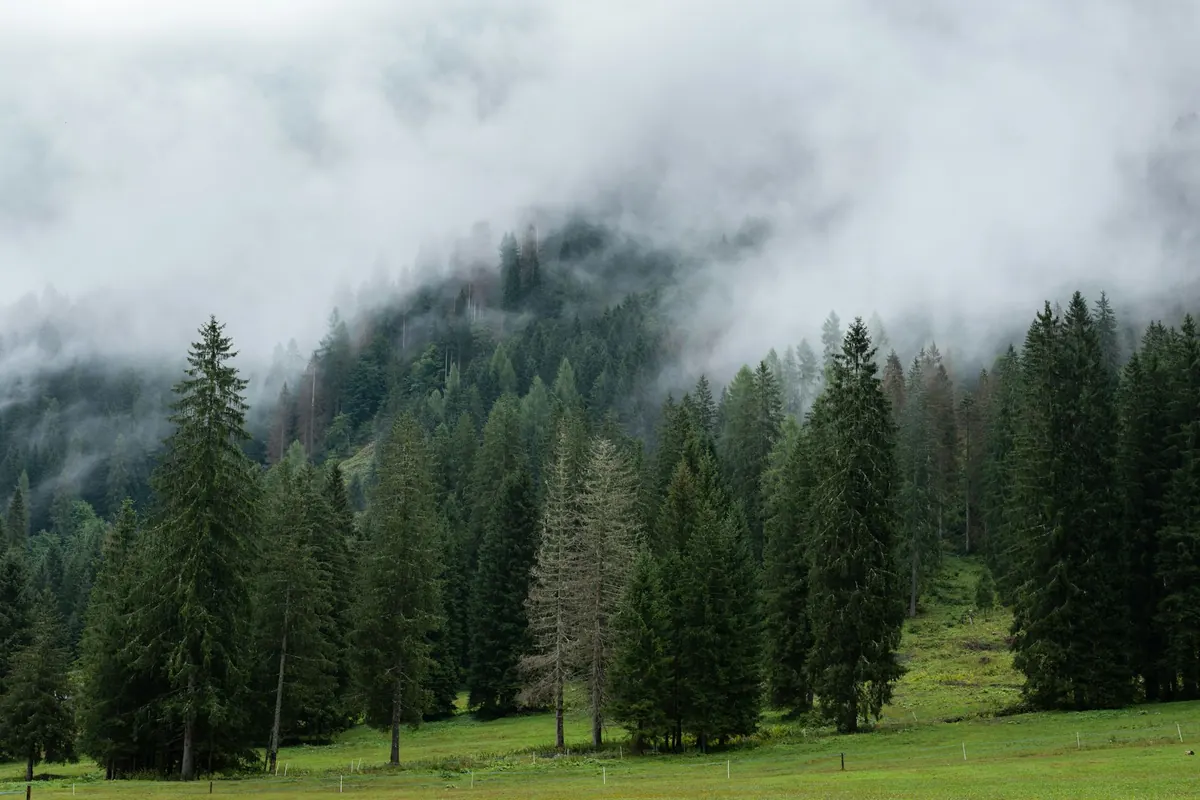
Litchfield County is the largest county in Connecticut by land area and the least densely populated, and both facts shape almost every job we look at. The Litchfield Hills are rolling and heavily wooded, and on the steeper slopes equipment access is a real planning problem, not a boilerplate concern — a job that would take an afternoon on a flat suburban lot can take days on a hillside parcel with limited approach routes.
Underneath most of the county sits glacial till: a dense mix of clay, silt, sand, and boulders left behind by the retreating glaciers, and it makes root systems stubborn to pull. In the hillier towns, bedrock often sits close to the surface, which limits how deep a stump can be extracted and changes how we plan grading and stump work. The Naugatuck River watershed drains the county's eastern towns, while the Farmington River's headwaters shape the north — both affect soil moisture and how firm the ground is at different times of year.
A steady stream of our work comes from the second-home and weekender market flowing up from Fairfield County and the NYC metro area, buying land for new construction or a renovated getaway. Alongside that, we clear a lot of old agricultural land: overgrown pastures, collapsed stone walls, and fields that haven't been worked in decades but are now being resurrected for building sites or simply reclaimed for use.
Invasive species show up constantly. Japanese knotweed is a serious, persistent problem along the Naugatuck River corridor and on any disturbed soil countywide — it needs a different removal approach than routine brush clearing, since it regrows from root fragments left behind. Multiflora rose has taken over old agricultural fields across the county, and burning bush and autumn olive are common on the transitional edges between lawn and woodland.
Because so much of Litchfield County sits near a wetland, stream, or the county's two major watersheds, permitting comes up often. Most towns require an inland wetlands permit for clearing within 100 feet of a regulated watercourse, and CT DEEP has its own rules for larger-scale disturbance near protected water resources. We factor this into the estimate up front rather than as an afterthought.
Get a Free EstimateService Area
- TorringtonNaugatuck River corridor
- WinstedHigh-elevation woodland
- New HartfordFarmington River Valley
- WatertownSuburban transition zone
- ThomastonRiver gorge terrain
- HarwintonNew construction growth
- New MilfordHousatonic River lots
- LitchfieldHistoric estate properties