Land Clearing for Litchfield's Historic Estates and Wooded Acreage
Litchfield has the county's highest concentration of estate-size properties — often 10 acres or more, with formal gardens, orchards, and significant woodland to manage — alongside a historic district near the green where clearing rules are stricter than almost anywhere else we work.
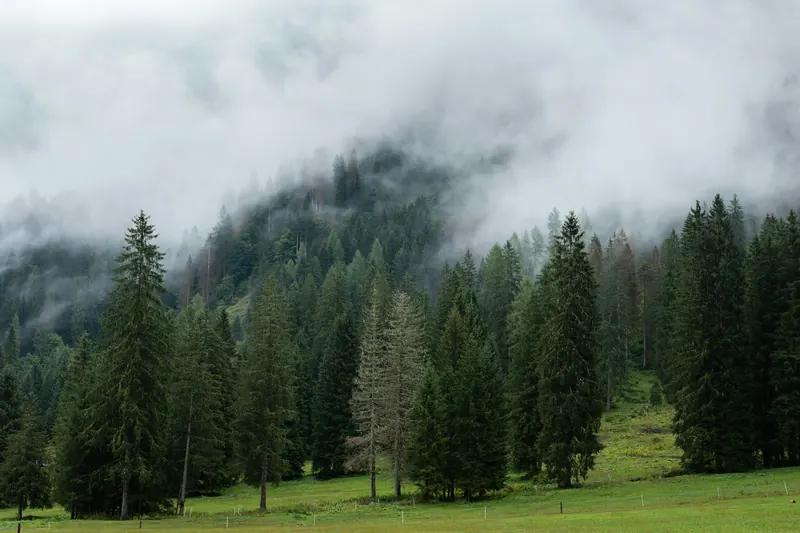
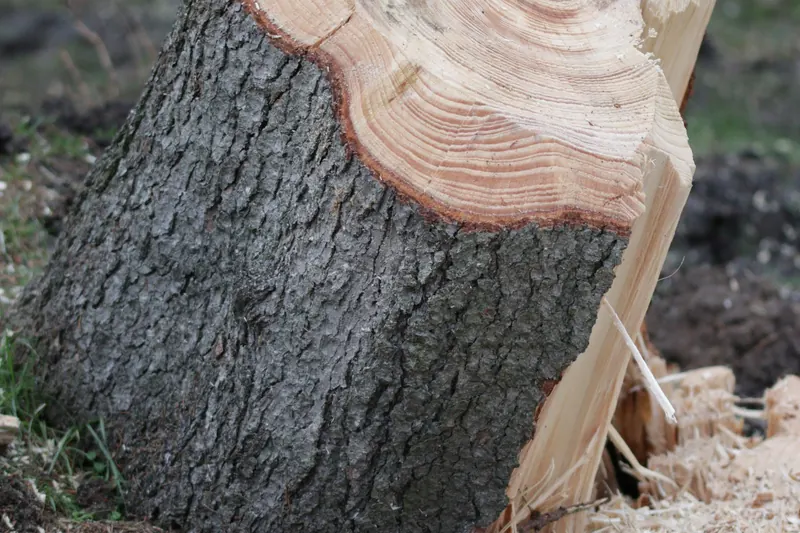
Litchfield is the wealthiest market we serve in the county, and it shows in both the properties and what customers expect from the work. Estate-size parcels of 10 acres or more are common here, often built around formal gardens, orchards, and mature woodland that needs to be managed thoughtfully rather than simply removed. Job values here trend higher than in most towns we serve, and so does the expectation of white-glove communication throughout the project.
The historic district around the Litchfield green is a different story entirely. Land use rules there are strict, and visible clearing on properties near the green often requires review before equipment can move in. It's one of the few places in our service area where we build permitting time into the schedule as a matter of course rather than an exception.
Bordering Topsmead State Forest and the White Memorial Conservation Center gives Litchfield's woodland a particular character — dense, mixed hardwood forest that also puts steady invasive-species pressure on adjacent private land. Japanese knotweed, bittersweet, and multiflora rose spread easily from these protected tracts onto neighboring estates, and brush clearing jobs here regularly include an invasive-removal component that wouldn't come up on a typical rural lot elsewhere in the county.
Because so much of Litchfield's acreage is estate property rather than a standard building lot, most jobs lean toward selective forestry mulching and targeted stump removal around gardens and specimen trees, not full clear-cutting.
Get a Free EstimateNearby Service Areas
We also clear land in Harwinton to the north, Watertown to the east, and New Milford to the southwest.