Land Clearing for Winsted's High-Elevation Woodland and Mill-Town Outskirts
Winsted sits higher than most of Litchfield County, where the Mad and Still Rivers meet below a historic mill district — we clear the dense hardwood terrain that comes with both.
Winsted — the village center of the town of Winchester — sits at a higher elevation than most of Litchfield County, and that changes how land clearing works here. Spring arrives later, the ground holds its winter freeze longer, and repeated freeze-thaw cycling has a more noticeable effect on soil stability than it does down in the valley towns. We plan our schedule around that, rather than working off a generic countywide calendar.
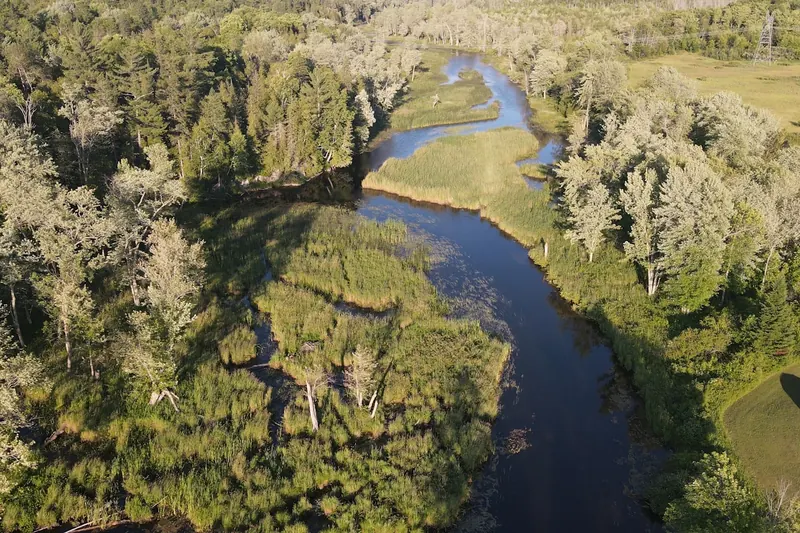
Downtown Winsted sits right where the Mad River and Still River converge, and the historic mill district that grew up around that confluence still defines the character of the town center. Parcels near either waterway carry drainage and wetland setback considerations that we factor into permitting and site planning before any equipment moves — the same care we bring to lot clearing projects anywhere near water in the county.
Away from downtown, Winsted's terrain gets thickly wooded fast. Dense mixed hardwood stands — oak, maple, birch, with plenty of understory brush beneath — make for a more time-intensive clearing job than the more open, lower-elevation parcels found elsewhere in the county. That's exactly the kind of work forestry mulching is built for: grinding through thick understory in place rather than hauling everything off-site tree by tree.
The rural areas surrounding Winsted's village center are sparsely developed, with large, overgrown parcels that haven't seen management in years. Whether it's brush clearing on a long-vacant lot or full site prep ahead of new construction, we bring the same equipment and permitting knowledge to both the mill-town outskirts and the surrounding hill country.
Get a Free EstimateNearby Service Areas
We also clear land in Torrington, just south along Route 8 and the county's largest city; and New Hartford, downriver along the Farmington River Valley to the southeast.